Between Human and Machine: Mind Perception and (De)Humanization in Interactions with Digital Humans
PhD Student: Iris Withuis
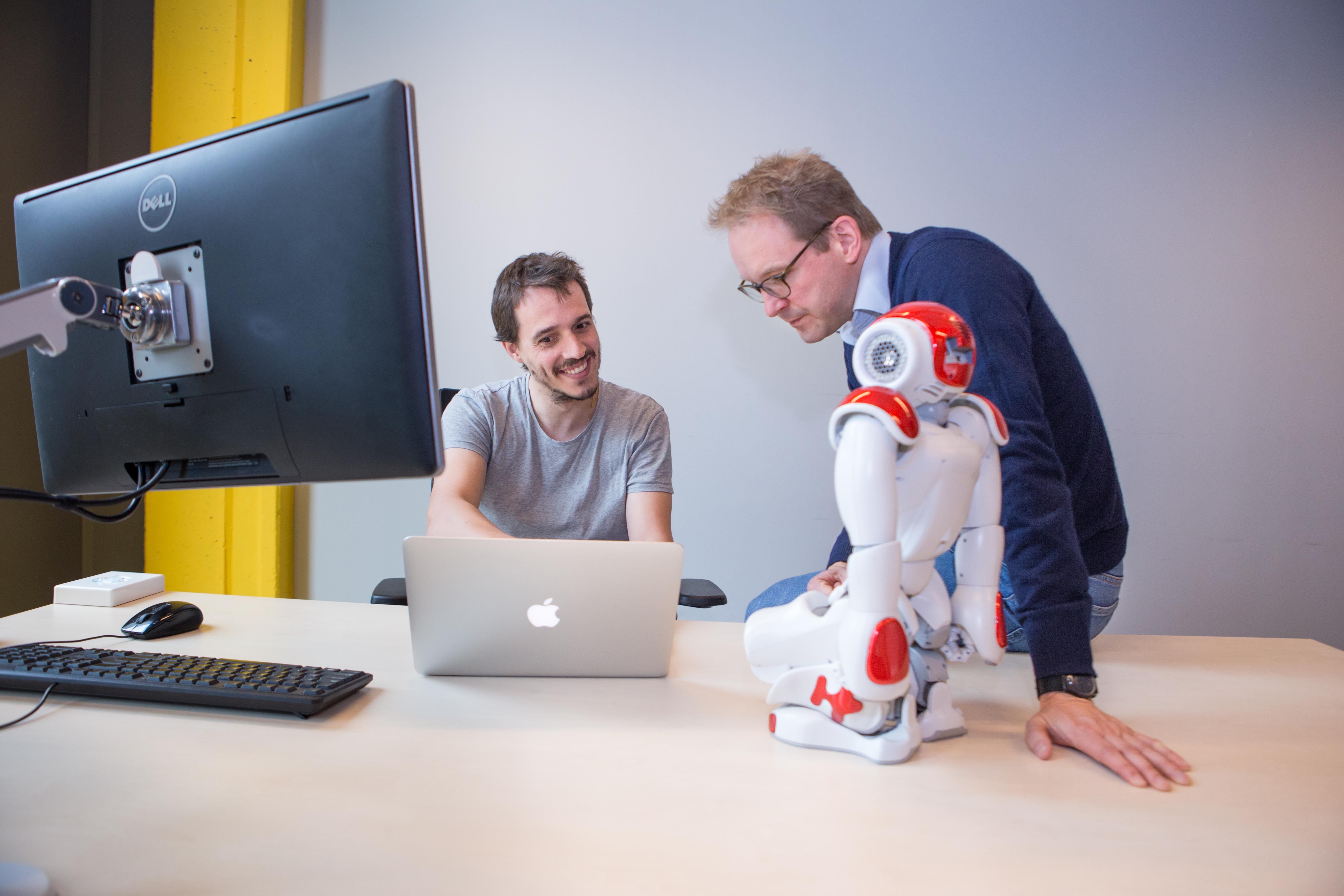
As digital transformation and staff shortages grow, the demand for scalable yet human-centered technologies is urgent. Digital humans, AI-driven virtual characters that look, speak and act like people, promise solutions in healthcare, education and customer service, but also pose risks of deception and dehumanization. They are designed to look and feel human and this raises a fundamental question: how do people make sense of an entity that is neither fully machine nor fully human, but betwixt and between?
How people resolve that uncertainty matters: it shapes how we feel about digital humans, what kind of relationship we build with them, and whether we grant them moral consideration. It may even affect how we perceive and treat other humans.
Meanwhile, digital humans are becoming ever more convincing, and harder to tell apart from real people. Yet we still know little about how people perceive these entities, how their perceptions develop over time, and what happens when their artificial nature is disclosed.
This PhD project examines how people perceive digital humans, how these perceptions develop over time, and how they shape affective, relational and moral responses. It also examines whether humanizing digital humans leads to the dehumanization of humans, and how disclosure strategies can mitigate harmful effects.
This project is funded by an NWO Doctoral Grant for Teachers.